Traveling with a Baby: How to Protect Sleep on the Go
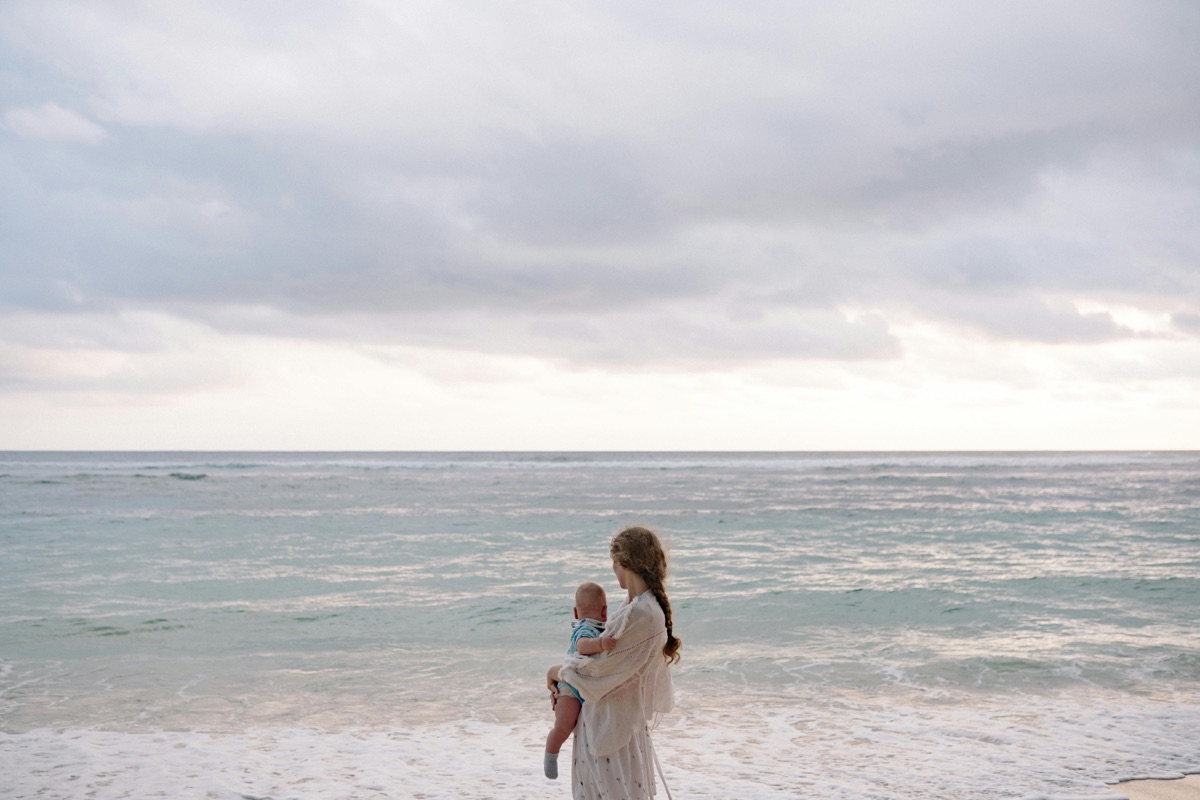
Travel with a baby often means disrupted naps, unpredictable schedules, and difficult bedtimes. New environments, different routines, overstimulation, and time zone changes can all affect sleep — sometimes even for a few days after returning home. With realistic expectations and a little preparation, travel sleep usually becomes much more manageable.
Why Travel Disrupts Baby Sleep
Babies rely heavily on familiar sleep cues. The same room, sounds, lighting, routine, and overall environment help signal safety and support sleep. Travel changes many of those cues at once.
A new room feels unfamiliar, routines shift, naps happen at unusual times, and stimulation levels increase significantly. Even babies who sleep well at home often become harder to settle while traveling simply because everything around them feels different.
Time zone changes can make sleep even more challenging. Circadian rhythms and melatonin production take time to adjust, especially after longer trips.
Before You Travel
Bring familiar sleep cues
White noise, a familiar sleep sack, favorite pajamas, or familiar bedding scents help recreate parts of the home sleep environment in a new place.
Choose sleep-friendly accommodations when possible
Separate sleep spaces often make a significant difference. Even a partially separated area can help babies settle more easily and reduce overnight disruptions.
Prepare for light and early mornings
Many hotels and rentals do not block light well enough for naps or early morning sleep. Portable blackout solutions often help much more than parents expect.
Shift schedules gradually before major time zone changes
For larger time differences, gradually adjusting bedtime and naps before travel may reduce the intensity of the transition after arrival.
During Travel
Protect the most important nap
Trying to perfectly preserve every nap while traveling is often unrealistic. Prioritizing at least one solid nap each day usually helps prevent overtiredness from building too quickly.
Use motion sleep strategically
Stroller naps, carrier naps, or car naps are not always ideal, but they are often far better than completely missed sleep during travel days.
Watch wake windows carefully
Stimulation can temporarily mask tiredness. Babies often appear energetic longer than usual while traveling, even when they are becoming overtired underneath.
Keep routines familiar
Even in a new environment, repeating the same calming pre-sleep routine helps signal sleep and creates predictability.
At Your Destination
Set up the sleep space early
Before the first nap, recreate familiar sleep conditions as much as possible — dim lighting, white noise, familiar sleep items, and reduced stimulation.
Use an earlier bedtime temporarily
Travel days often create accumulated overtiredness. Earlier bedtimes for the first few days usually help babies adjust more smoothly.
Expect temporary disruption
Most babies need several days to adapt to a new environment or time zone. Some inconsistency during travel is completely normal.
After Returning Home
Many families notice a short re-adjustment period after returning home. Going back to the normal routine quickly and keeping stimulation lower for a day or two often helps sleep stabilize again.
Expect some disruption in the days after you get home. Sleep often takes a few days to settle back, and the pattern can look a lot like a sleep regression even though it is usually just a temporary reset. Returning to familiar wake windows is normally enough.
How Luli Helps During Travel
Travel makes sleep harder to track mentally. Days blend together, naps happen at unusual times, and it becomes difficult to remember when the baby last slept — especially while handling flights, packing, meals, and logistics at the same time.
Luli keeps all sleep, feeding, and daily activity logs organized in one place wherever you are. Wake window predictions automatically adjust based on actual sleep data, helping you recognize when the next nap window is approaching even during unpredictable travel days.
Travel rarely looks perfect with a baby. But with the right preparation, realistic expectations, and better visibility into sleep patterns, it becomes much easier to manage.
Sources
- Sleep-Related Infant Deaths: Updated 2022 Recommendations for Reducing Infant Deaths in the Sleep Environment — Pediatrics, American Academy of Pediatrics, 2022