
Short Naps and Catnapping: Why Your Baby Wakes After 30–45 Minutes
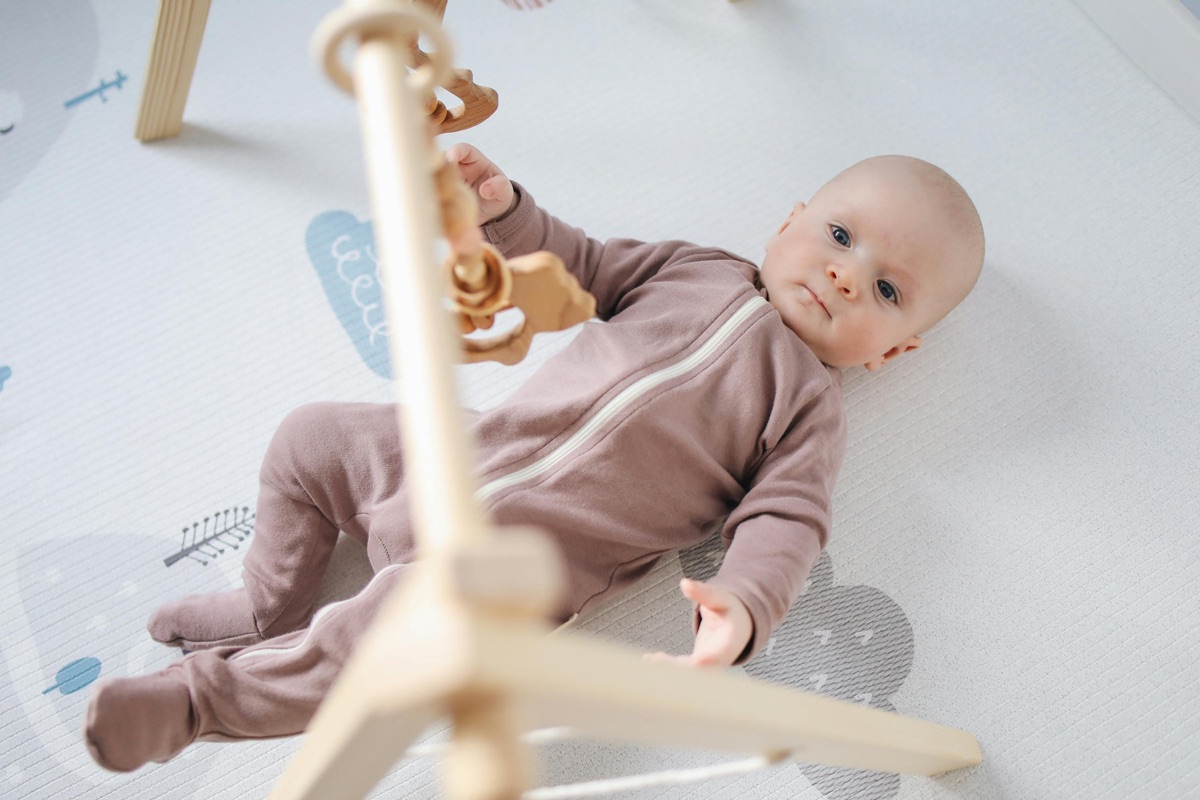
Short naps are one of the most common frustrations during the first year of a baby’s life. Your baby falls asleep, you finally get a moment to rest — and then 30 or 45 minutes later they are awake again, often still tired and difficult to settle. Understanding why short naps happen makes it much easier to respond in the right direction.
Why Short Naps Happen
Babies sleep in cycles, just like adults. Each cycle moves through lighter and deeper stages of sleep before briefly returning to a lighter state again.
For many babies under six months, a single sleep cycle lasts around 30–45 minutes. At the end of that cycle, babies partially wake between sleep stages.
Adults usually reconnect sleep cycles automatically without fully waking. Babies are still learning this skill. When babies cannot yet transition smoothly into the next cycle, they often wake fully after the first one ends. This is one of the most common causes of short naps.
Other Common Reasons for Short Naps
Overtiredness before the nap
Babies who stay awake too long before sleep often become harder to settle and may sleep more lightly once asleep.
Undertiredness before the nap
If a baby is put down too early, they may not have built enough sleep pressure to sustain a longer nap.
Environmental disruptions
Changes in light, noise, or temperature often affect babies most strongly during the transition between sleep cycles, when sleep is naturally lighter.
Sleep associations
If a baby falls asleep while feeding, rocking, or being held, they may expect the same conditions again when they partially wake between cycles.
Developmental changes
Periods of rapid development — such as rolling, crawling, standing, or learning new motor skills — often temporarily disrupt naps and fragment sleep.
What Actually Helps
Focus on wake windows first
Timing is often the single biggest factor affecting nap length. Babies who go down at the right point in their wake window are usually more likely to settle deeply and stay asleep longer.
Improve the sleep environment
Dark rooms and consistent white noise help reduce environmental disruptions during lighter stages of sleep.
Try helping before full waking
Some parents find success by gently resettling at the first signs of stirring instead of waiting for full waking and crying.
Gradually separate feeding from sleep
If a baby always falls asleep feeding and wakes after one cycle, gradually shifting feeding earlier in the routine may help them reconnect cycles more independently over time.
Allow development to happen naturally
For younger babies especially, short naps are often developmentally normal. Sleep cycles mature gradually, and many babies are naturally moving through nap transitions as they grow.
When Short Naps Are Not Actually a Problem
Some babies naturally nap for shorter periods while still maintaining stable mood, energy, and nighttime sleep.
The goal is not achieving a specific nap length. What matters most is whether your baby is getting enough total daytime sleep to comfortably handle the next wake window and maintain healthy overnight sleep.
How Luli Helps With Short Naps
Luli recalculates wake window predictions automatically after every logged nap, including short naps and unexpected wake-ups. If a nap ends earlier than expected, the next sleep window adjusts in real time so you always know when the next nap opportunity is approaching.
Over time, Luli also helps parents recognize larger sleep patterns across multiple days. You can see whether short naps happen consistently at certain times of day, after specific wake windows, or during periods of overtiredness and developmental change.
Short naps can feel exhausting in the moment. But for most babies, they are a temporary developmental stage — not a sign that something is wrong.